

Digital marketing budget: Optimize with these tips
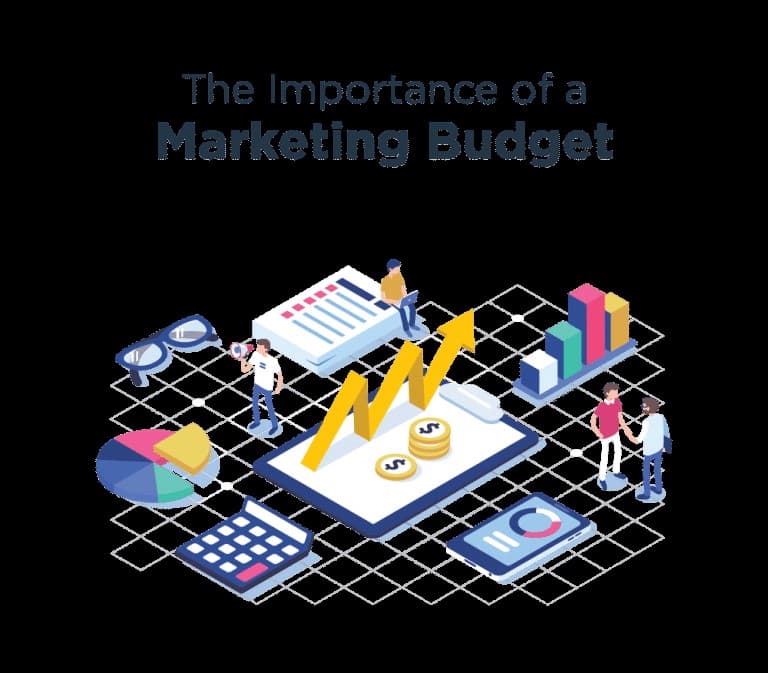
Tips for optimizing your Digital Marketing Budget
Digital marketing has become essential in today’s rapidly evolving and competitive business landscape. A defined budget gives every campaign a clear direction and helps teams track awareness, leads, sales, and return on investment.
A digital marketing budget is a set amount reserved for activities such as SEO, PPC, social media marketing, email marketing, content, and website development. Planning it carefully prevents wasted time, effort, and money.
How can marketing have a high return on investment?
A marketing budget works like a yardstick: it helps you compare channel performance, avoid over- or underspending, and move funds toward the campaigns producing the strongest results.
Digital marketing is made up of many channels. Measuring each one gives you a clear view of acquisition cost, profitability, and the return generated by every rupee invested.
Most effective methods for budgeting digital marketing activities
The 70-20-10 approach keeps 70% of the budget on proven activities, 20% on newer result-driven ideas, and 10% on responsive experiments. A profit-focused model instead prioritizes the campaigns that produce the strongest contribution to revenue.
- Search engine optimization
- Pay-per-click advertising
- Email marketing
- Social media marketing
Analysing the results
After allocating the budget, review results regularly to understand what is working and what is not. Use the findings to pause weak campaigns, scale strong ones, and continually improve your channel mix.


